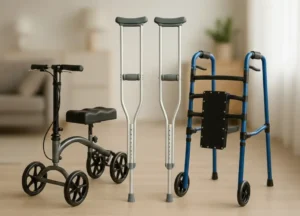
Getting back on your feet after an injury or surgery is a marathon, not a sprint. Whether you’re recovering from an ankle fracture, Achilles tendon surgery, or a foot injury, the journey is often paved with small hurdles—from navigating tight corners in your home to avoiding the dreaded “crutch fatigue.”
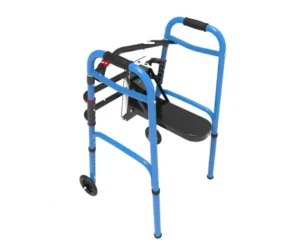
To help you stay mobile and independent, we’ve put together the ultimate recovery checklist, featuring the Walkneeler—a hybrid mobility aid designed to bridge the gap between a standard walker and a knee scooter.
Here is why Walkneeler should be at the top of your recovery list.
The Walkneeler Recovery Advantage
Traditional crutches can be exhausting, and standard knee scooters can sometimes feel unstable.

THE WALKNEELER WAS ENGINEERED TO SOLVE THESE COMMON RECOVERY PAIN POINTS.
1. A Wider Base for Maximum Stability
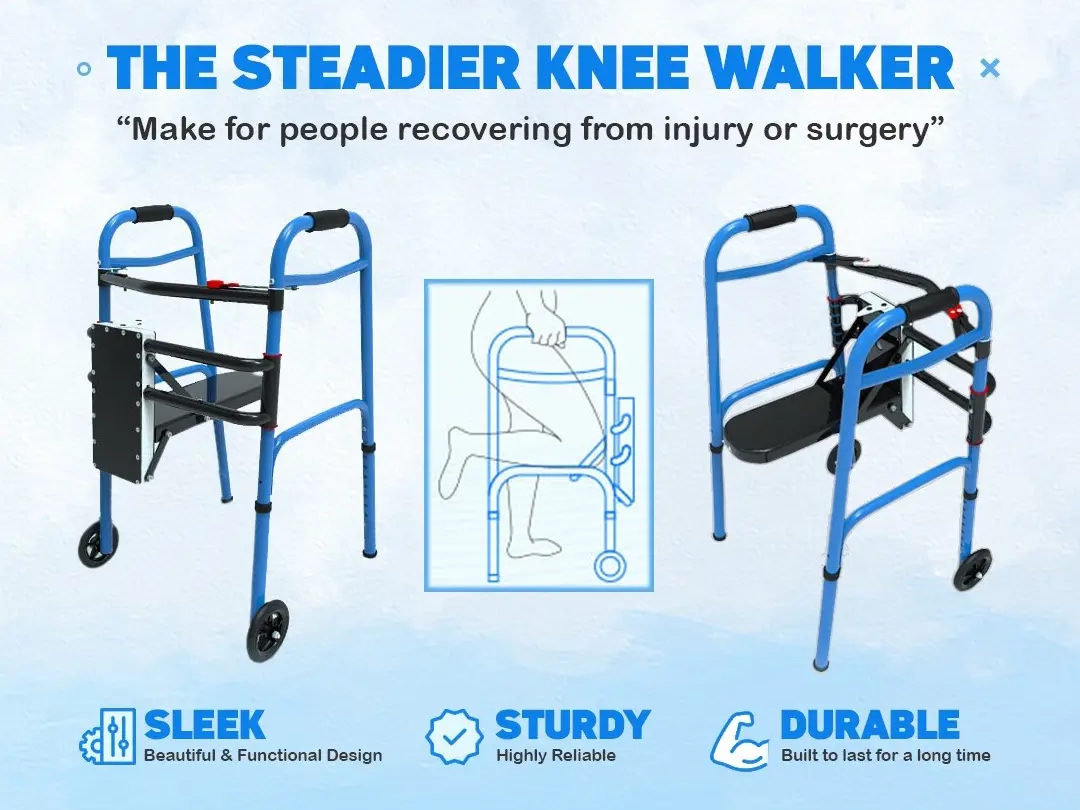
Balance is everything when you’re “one-legged.” Walkneeler features a wider-than-average base, providing a rock-solid foundation. This increased stability minimizes the risk of tipping, giving you the confidence to move around your home without the fear of a fall.
2. Cushioned Support to Minimize Strain
Recovery shouldn’t cause new pain. While crutches often lead to sore underarms and wrists, Walkneeler uses a high-grade cushioned platform. This distributes your weight evenly, protecting your knee and leg from strain while you’re on the move.
3. Simple Steering for Effortless Maneuvering
Navigation shouldn’t be a workout. With a simple, responsive steering system, the Walkneeler allows for easy turns and smooth gliding. It’s compact enough to navigate through hallways and around furniture, so your home doesn’t feel like an obstacle course.
4. The “Safety Shield”: Protecting Your Injury
One of the biggest fears during recovery is the “accidental bump.” Whether it’s a curious pet or a stubbed toe on a doorframe, a secondary impact can set your recovery back weeks. The Walkneeler’s design naturally shields your injured foot, keeping it elevated and safely tucked away from hazards.
YOUR ESSENTIALS RECOVERY LIST:
Beyond your mobility aid, here is how to set yourself up for success:
- [ ] Clear the Paths: Remove loose rugs, cords, and clutter from your main walking routes.
- [ ] Height Adjustment: Ensure your Walkneeler is adjusted to your specific height. Your hips should be level when your knee is on the pad to ensure proper posture.
- [ ] Create a “Station”: Keep your phone, water, medications, and TV remote in a central spot where you can easily reach them from a seated or “kneeling” position.
- [ ] Check Your Brakes: Always test your handbrakes before moving, especially if you have hardwood or tile floors.
- [ ] Wear the Right Gear: Even with a walker, wear a sturdy, non-slip shoe on your “good” foot to maintain grip.
Transitioning to Your “New Normal”
The best part about the Walkneeler? It’s versatile. As your doctor clears you for partial weight-bearing, the device can often be adjusted to support you through the final stages of rehabilitation. It’s not just a temporary tool; it’s a partner in your progress.
Ready to upgrade your recovery? Explore more features and see the Walkneeler in action at Walkneeler.com.
Disclaimer: Always consult with your healthcare provider or physical therapist before starting use of a new mobility aid to ensure it is the right fit for your specific injury.