Recovering from foot surgery can be a daunting experience, but regaining your independence is entirely possible with the right approach. In this blog, we’ll walk you through essential steps to ensure your recovery is not only swift but also effective. Whether you’re at home or in physical therapy, these tips will empower you to reclaim your mobility and confidence post-surgery.
1. Set Up Your Home for Success
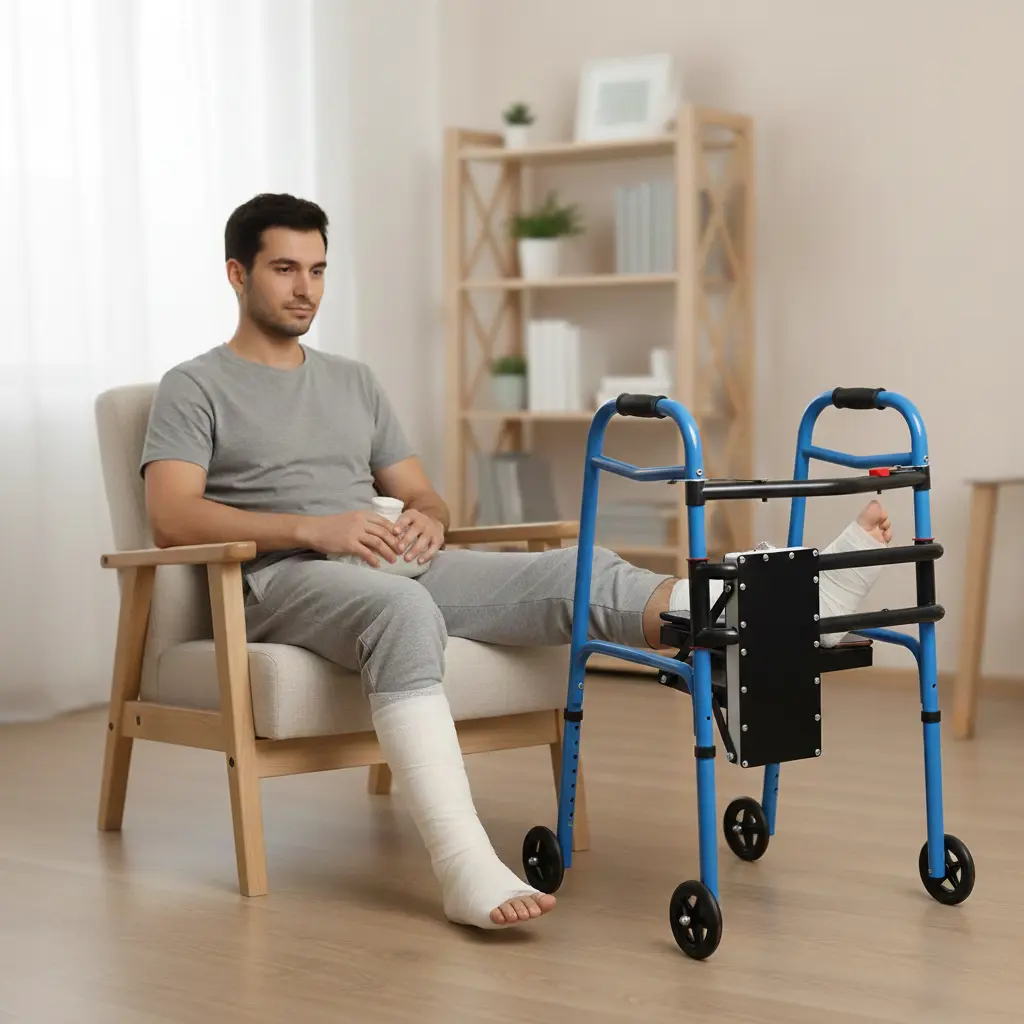
Creating a safe and comfortable environment is key. Arrange essentials within reach and remove any tripping hazards to navigate your space with ease.
Consider using a rolling cart or a sturdy basket to keep items like your phone, water, and snacks close by. This minimizes the strain of constant walking, allowing you to focus on healing instead. Smart organization not only prevents falls but also gives you a sense of control, which can be uplifting during recovery.
In addition, think about modifying your living space. Placing cushions on chairs, using a shower stool, and having supportive pillows at hand can make a significant difference in your comfort level. Enhancing your home to support healing promotes independence, helping you feel less reliant on others.
2. Follow Your Doctor’s Instructions
Your doctor’s advice is crucial for a smooth recovery. Adhering to medication schedules, appointment timelines, and rehabilitation protocols will aid your healing process.
Each guideline laid out by your healthcare provider is crafted to nurture your recovery. For instance, keeping track of your pain levels and notifying your doctor about unusual symptoms can spell the difference between a complication and a simple bump along the road to recovery. It’s not just about following orders; it’s about active participation in your healing journey.
Moreover, don’t hesitate to reach out to your healthcare team with any questions or concerns. Engaging in discussions about your treatment and progress can foster a sense of partnership. This proactive communication will encourage you to stay informed and motivated, solidifying your path to independence.
3. Prioritize Rest and Recovery
Rest is just as important as any exercise regime. Ensure you give your body ample time to heal by scheduling regular downtime throughout your day.
In fact, quality sleep can significantly impact how well you recover. Create a calming bedtime routine and consider using sleep aids like an eye mask or a white noise machine to enhance your sleep environment. After a good night’s rest, you’ll feel rejuvenated and ready to tackle the day’s challenges.
It’s equally important to listen to your body. If you feel fatigued or overwhelmed, allow yourself space to rest. Balancing activity and downtime isn’t a sign of weakness; it’s a testament to how well you understand your body’s needs. This awareness will ultimately accelerate your journey back to independence.
4. Stay Active Within Limits
Engage in gentle movements or upper-body exercises recommended by your doctor. Staying active can help prevent stiffness while promoting circulation.
Simple exercises like arm circles or seated leg raises can keep your body engaged without compromising your healing foot. Incorporating activity encourages recovery without overstretching your limits. Additionally, even minimal movement can lift your spirits, reminding you that you’re still capable of engaging with your body positively.
As you progress, consider low-impact activities like swimming or using a stationary bike—always under professional guidance. These can help strengthen muscles and maintain cardiovascular health without placing undue stress on your foot. Remember, slow and steady wins the race!
5. Utilize Mobility Aids Wisely
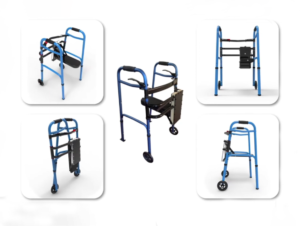
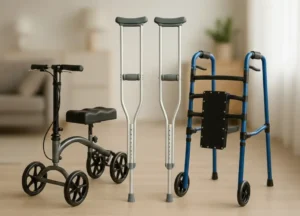
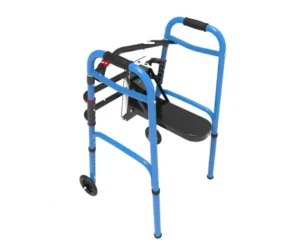
Using crutches, walkers, or other mobility aids correctly can enhance your safety and independence, allowing you to move with more confidence as you recover.
Familiarize yourself with your mobility aid; understanding how it works can empower you. Practice moving around in a safe environment where you can gain confidence without the fear of falling. This also reinforces muscle memory, easing the transition as you gradually decrease reliance on aids.
Moreover, consider how technology can support your mobility. Some apps can help track your daily movements and recovery milestones, giving you a sense of achievement. In the journey toward independence, feel free to embrace tools that aid your recovery.
6. Incorporate Physical Therapy
Professional guidance through physical therapy is invaluable. A dedicated therapist will tailor exercises that enhance your strength and range of motion, helping you recover effectively.
Engaging with a therapist not only helps with physical recovery but also provides motivation. The encouragement you receive from proactive feedback and tailored adjustments fosters confidence. You’ll begin to notice your progress, which serves as a powerful reminder that independence is on the horizon.
After each session, take note of what you’ve accomplished. Keeping a journal can highlight the small victories, reminding you how far you’ve come. Remember, every step—literal or figurative—counts as progress in your journey.
7. Maintain a Healthy Diet
Nutrition plays a key role in recovery. Focus on a balanced diet rich in vitamins and minerals to support your body’s healing processes.
Incorporate foods high in protein, like lean meats and legumes, to repair tissues, and ensure you’re getting plenty of fruits and vegetables for essential vitamins. Staying hydrated is equally crucial, as it promotes healing and can help alleviate discomfort. Little changes in your diet can lead to significant results in your recovery process.
Keep snacks and meals simple yet nutritious. Consider meal planning to ensure you have quick and healthy options available, reducing the temptation of unhealthy convenience foods. With a little preparation, maintaining a healthy diet can become a seamless part of your recovery routine.
8. Seek Support from Friends and Family
Don’t hesitate to ask for help. Leaning on your support system can provide both physical assistance and emotional encouragement throughout your recovery journey.
Communicate openly with your loved ones about your needs. Whether it’s running errands or simply keeping you company, having your network involved can make a world of difference. You’ll often find that people are more than willing to help when you let them know what you need.
Additionally, consider joining support groups, whether online or in person. Sharing experiences with others in similar situations can be incredibly validating. Knowing you’re not alone in your recovery journey can motivate you to push through even the toughest days.