Navigating the journey of injury recovery can be overwhelming, especially when it comes to selecting the right mobility solution. Whether you’re dealing with a sprain, fracture, or surgery recovery, understanding your options is crucial. In this blog, we’ll explore essential mobility solutions to help you regain your independence and comfort while you heal.
Understanding Your Injury and Recovery Needs
Before diving into mobility solutions, it’s essential to understand your specific injury and recovery timeline. Consult with your doctor or physical therapist to assess your current abilities and limitations.
Taking this step is not just about knowing what you cannot do; it’s about discovering what you can do. Each injury presents unique challenges, but by working closely with a healthcare professional, you’ll gain insight into your healing process. They can explain the stages of recovery and help set realistic expectations.
Awareness of your injury’s nature is critical. Some injuries may limit movement differently than others, and knowing the specifics will aid you in selecting suitable mobility aids. For instance, a knee injury will require a different approach compared to an ankle sprain, guiding your choices effectively.
Types of Mobility Solutions
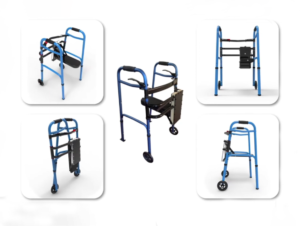
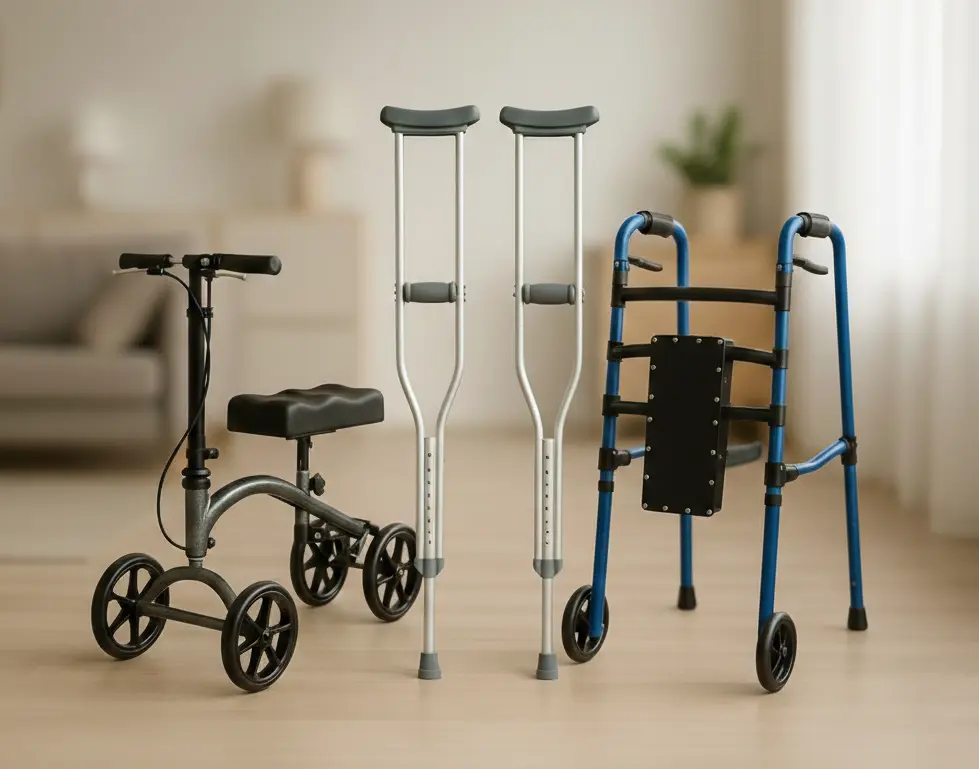
From crutches and walkers to canes and wheelchairs, understanding the various types of mobility aids available can help you choose the right tool to support your recovery.
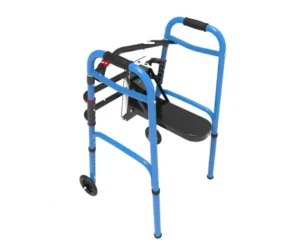
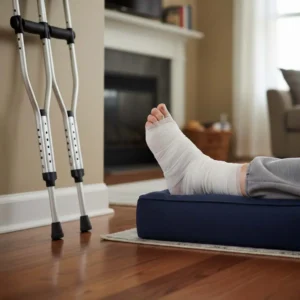
Each type of mobility solution serves a specific purpose, making it vital to choose one that aligns with your needs. Crutches, for example, allow for leg support while maintaining upright posture, suitable for those with weight-bearing restrictions. On the other hand, walkers provide stability while still allowing users to bear weight safely.
Additionally, there are more advanced options like scooters or powered wheelchairs for those with more severe mobility impairments. Assessing your current and future needs can help determine which solution will provide the best support. It empowers you to engage fully with your environment.
Moreover, consider weight and portability. Some mobility aids are designed for home use, while others are made to be lightweight and easy to transport, perfect for outings. Being mindful of where and how you will use these aids can greatly influence your choice.
Evaluating Comfort and Usability
Comfort should be a priority when selecting a mobility solution. Factors such as weight, handle height, and grip should be considered to ensure ease of use during your recovery.
Don’t underestimate the impact of getting the right fit. If a mobility aid is too high or too low, or if the grip isn’t comfortable, it can lead to additional strain or fatigue. Testing the product before making a decision is always a wise choice.
Additionally, think about how it feels during prolonged use. You want a device that minimizes discomfort, allowing you to spend more time on your feet as your recovery progresses. After all, mobility aids are designed not to hinder but to facilitate your journey back to health.
Keep in mind that comfort and usability aren’t just about physical factors; they also include how confident you feel when using these aids. A solution that feels right will help boost your independence, enhancing your motivation to keep moving and healing.
The Importance of Professional Guidance
Partnering with healthcare professionals can provide you with tailored advice and recommendations. They can guide you through the selection process based on your individual needs.
Healthcare professionals offer perspective that goes beyond personal preference. They understand the nuances of different mobility aids and are trained to help you determine what might work best for your unique circumstance. Their expertise can save you from trial and error.
Additionally, these professionals can help you navigate insurance coverage and availability of tools, ensuring that you get the best device suitable and affordable based on your situation. This kind of support can be invaluable as you navigate your recovery.
Moreover, regular follow-ups with medical professionals can provide you with updates on your progress and adjustments on your mobility needs. Recovery is dynamic; what works today might need tweaking tomorrow. Being in touch with your healthcare team ensures you’re always on the right path.
Adapting Mobility Solutions to Your Lifestyle
Consider how your mobility solution will fit into your daily life. Whether you need it for home use, work, or social activities, finding something that integrates seamlessly can enhance your recovery experience.
Your daily activities should not completely change based on your injury. Mobility solutions should accommodate your lifestyle, allowing you to engage with loved ones, work commitments, or bring you joy and fulfillment. Imagine needing crutches for a short period and discovering they can fit into your routine easily.
Think about your environment, too. Will you be navigating narrow hallways? Using stairs? It’s essential to consider how your chosen mobility aid will fare in your everyday surroundings. Solutions that are too bulky or cumbersome can present new challenges.
Most importantly, maintaining social connections and independence is a significant part of recovery. Look for mobility solutions that facilitate this, whether it’s a lightweight walker that can be easily moved around or a stairlift that enables you to access different parts of your home.
Maintaining a Positive Mindset During Recovery
Injury recovery can be a rollercoaster of emotions. Focusing on small victories and staying positive about your progress can motivate you to stay committed to your recovery plan.
Remember that each small step is a step towards healing. Celebrate the milestones, no matter how minor they may seem. Successfully transferring from a wheelchair to a chair is a victory worth acknowledging and appreciating.
A positive mindset not only improves mental health but can also enhance physical healing. Engaging in uplifting activities or surrounding yourself with supportive friends and family creates a nurturing environment, making it easier to persevere through the tough moments.
Additionally, consider journaling your recovery journey. Tracking your feelings and progress can offer perspective during hard days and remind you of how far you’ve come. Consistency in positive thoughts can bolster your resilience, empowering you to face obstacles head-on.
Finding Your Path to Recovery
Choosing the right mobility solution is a vital step in your injury recovery journey. By considering your specific needs, consulting with healthcare professionals, and exploring a variety of options, you can find the perfect balance between support and mobility. Remember, recovery is a personal journey, and the right tools can make all the difference.