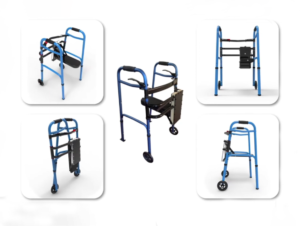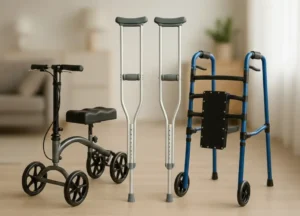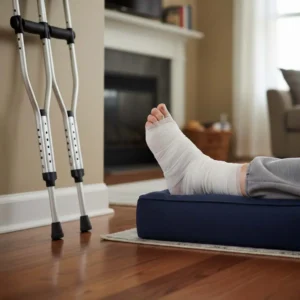
Knee walkers can be a game-changer when you need mobility support. Whether you’re recovering from surgery or an injury, using a knee walker can help you maintain your independence. In this post, we’ll explore some practical tips to make your knee walker experience safe, enjoyable, and efficient.
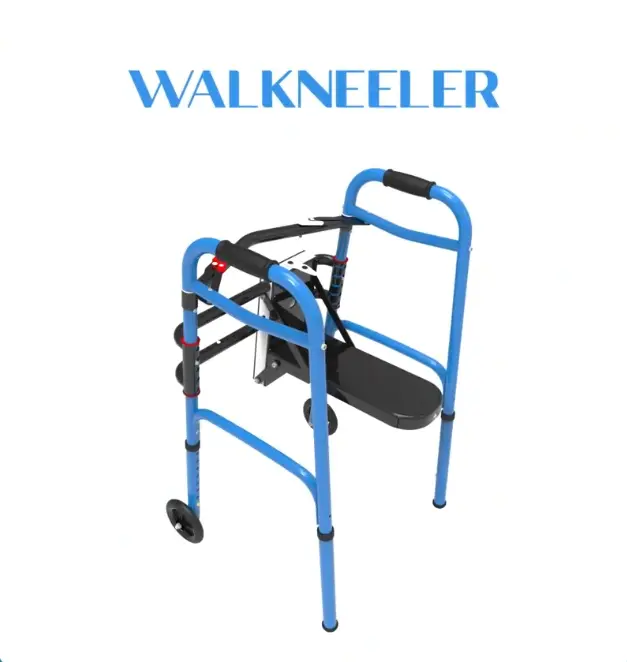
1. Choosing the Right Knee Walker for Your Needs
Selecting the appropriate knee walker can make all the difference in your comfort and mobility. Consider factors like weight capacity, height adjustments, and wheel types when making your decision.
Don’t forget to think about the terrain you’ll be navigating. If you plan to use your knee walker mostly indoors, a model with smaller wheels might suffice. However, if you’re venturing outside, look for sturdier wheels designed for different surfaces. Your choice directly influences how comfortably you can move about.
Additionally, it’s wise to consider how often you will be using your knee walker. For daily use, you may want to invest in a model that boasts additional features such as a basket or hand brakes. Taking time to select the right walker will ultimately lead to a more satisfying experience as you go about your day.
2. Adjusting Your Knee Walker for Maximum Comfort
Proper adjustment of your knee walker is crucial. Ensure the height is set so that your knee rests comfortably on the pad without causing strain on your leg.
Take a moment to sit on the walker and adjust it to a height that allows you to reach the handlebars comfortably. Your elbows should have a slight bend while holding onto the handles. This ensures that you maintain proper posture while moving around. More so, it can significantly reduce the risk of soreness or fatigue.
Finally, don’t hesitate to make small tweaks as you become more familiar with your knee walker. Your body’s needs may change, so be attentive to how you feel. Regularly reassessing the adjustments can lead to a more enjoyable and pain-free experience.
3. Navigating Different Terrains Effectively
Knee walkers can manage various surfaces, but some require extra caution. Learn how to navigate curbs, grass, and uneven ground to prevent accidents.
When moving on uneven surfaces, take it slow! Your knee walker will provide stability, but it’s crucial to gauge the surface first. For instance, when you approach a curb, always position yourself securely and, if necessary, ask for assistance. Avoid abrupt movements that could compromise your balance.
Moreover, when traversing grass or gravel, opt for a walker with larger wheels, as they tend to handle uneven ground more effectively. Pay attention to your surroundings—overhead obstacles can also pose a threat, so always be aware. Adapting to different terrains can initially be challenging, but you’ll develop a knack for maneuvering over time.
4. Best Practices for Maintaining Your Knee Walker
Keep your knee walker in top shape with regular maintenance. Check the brakes, wheels, and padding to ensure everything is functioning seamlessly.
Make it a routine to inspect your walker before each use. Look for signs of wear and tear, and ensure that the wheels are free from debris and operate smoothly. Also, assess the brakes to determine they engage effectively; this is paramount for your safety.
In addition, clean the walker regularly to keep it looking good and functioning well. Simple soap and water can do wonders! Maintaining the aesthetics and functionality of your knee walker can prolong its lifespan, ensuring that it remains a reliable mobility aid throughout your recovery.
5. Using Your Knee Walker for Shopping and Errands
Navigating shops can be tricky, but with a little practice, you can use your knee walker to go grocery shopping or run errands more efficiently.
Before heading out, make a plan. Knowing which items you need and laying out a route can save time and energy. Many grocery stores offer wider aisles which are knee walker friendly, but it’s still a good idea to check if your favorite shops are equally accommodating. Be sure to take breaks when necessary—shopping should still feel fun, not taxing.
Lastly, look for baskets or bags that can attach to the walker for added convenience. This allows you to carry essentials without straining yourself. With a little adaptation, you can go back to enjoying shopping trips just as before—only now, you’ll have a rolling companion!
6. Incorporating Your Knee Walker into Daily Activities
Learning to integrate your knee walker into your daily routines can help maintain your independence. From cooking to cleaning, find out how to adapt with ease.
For instance, consider keeping your knee walker close to where you spend the most time, such as the kitchen or living room. This proximity facilitates transitioning between activities. When cooking, use your walker for support while gathering ingredients or prepping food. With a little creativity, you can multitask effortlessly, fostering your independence even during recovery.
Additionally, practice moving between rooms. It may take some time to feel completely comfortable, but soon navigating through your space will become second nature. Remember, gradual adaptation can make a world of difference while you’re getting back on your feet.
7. Tips for Gaining Confidence While Using a Knee Walker
It’s natural to feel hesitant at first. Gradually increasing your confidence can enhance your experience and make moving around much simpler.
Begin by practicing in familiar spaces. Waking your way around your home can help you become accustomed to how your knee walker handles. As you gain experience, venture outside in safe, low-traffic areas.
Also, consider enlisting the help of a friend or family member to accompany you during your first outings. They can provide encouragement and assist you in situations that may arise. Remember, taking small steps toward greater independence is the key to building your confidence along this journey.
8. Safety Precautions to Keep in Mind
Safety should always be a priority. Familiarize yourself with best practices to prevent falls and injuries while using your knee walker.
Always wear appropriate footwear to avoid slipping. Flat, non-slip shoes offer the best grip and stability. Additionally, be mindful of your surroundings. Watch out for any obstacles, be it furniture or uneven ground that could pose a hazard.
Lastly, don’t hesitate to ask for help if you’re unsure about a situation. Whether it’s going down a steep ramp or navigating a crowded area, reaching out for assistance is never a sign of weakness, but rather a practical step toward ensuring your safety.
9. Engaging with Others While Using Your Knee Walker
Don’t let your knee walker isolate you! Use it as an opportunity to connect with others, whether at social events or in your neighborhood.
Engage in conversations as you navigate, introducing your knee walker as part of your story. Many people are understanding and may even relate to your experiences. Embrace the chance to share and connect; your knee walker might just be the perfect icebreaker.
Keep in mind that socializing can also provide emotional support and encouragement. Whether it’s at a café or gathering, don’t hesitate to integrate your knee walker into your social life. It can make a real difference in your recovery journey.
10. Transitioning Back to Regular Walking
As you heal, you’ll eventually transition back to a normal walking regimen. Discover strategies to smoothly make this transition.
Start by gradually increasing the time you spend walking without your knee walker. Increase your distance slowly—and remember to pay attention to how your body feels. If at any point you feel discomfort, don’t hesitate to take a step back.
Moreover, consider incorporating balance exercises into your routine. This will strengthen your legs and improve stability. Be patient with yourself! Transitioning back should be a gradual process, and listening to your body is key to ensuring a long-term recovery.